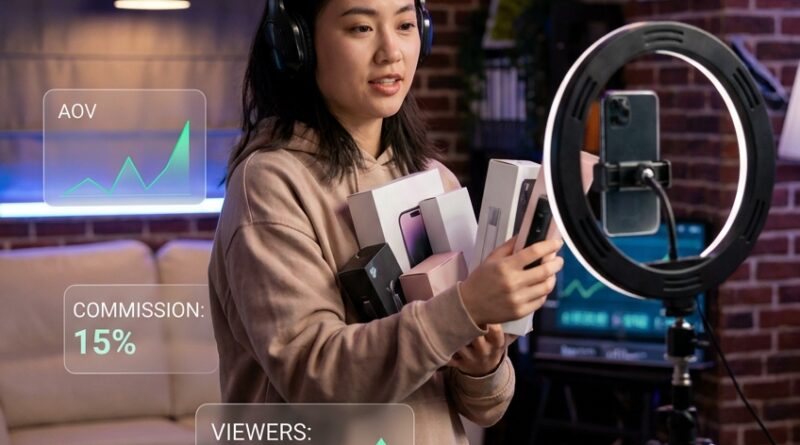
The TikTok Shop Whales: How Small Creators Are Quietly Closing $1K+ Affiliate Carts In One Live Stream
If you have spent months polishing SEO posts for a $500 or $2,000 offer and the traffic still feels thin, you are not behind. The ground really did shift under your feet. Buyers are finding products through creators now, not just search results. And on TikTok Shop, some smaller creators are quietly doing what used to sound impossible. They are stacking $1,000 to $5,000 affiliate carts during one live stream by bundling the right products, framing the pitch like a demo instead of a hard sell, and making checkout feel simple. That stings if you are still trying to force a high-ticket offer into an old content funnel. The good news is this is not magic, and it is not only for beauty gadgets or impulse buys. There is a clear pattern here. If you sell premium software, education, coaching, or physical products, you can build a creator-led sales flow that fits how people actually buy now.
⚡ In a Hurry? Key Takeaways
- Small TikTok creators can move high-ticket bundles by selling a clear outcome live, not by pushing a single expensive item cold.
- Start with a “bridge” offer, then upsell into a bundle, consult, or premium package using tracked links, codes, and post-live follow-up.
- If you do this, set commission rules and attribution before launch, or you will end up with payout disputes and messy reporting.
Why this is happening now
The old affiliate playbook was simple. Rank a page, write a review, wait for intent-driven traffic, and collect your commission. That model still works in pockets, but it is under pressure.
CPMs are up. Organic search is less predictable. And more buyers, especially mobile-first buyers, now trust a person showing a product in motion more than a 2,000-word post with stock photos.
That is where this tiktok shop high ticket affiliate case study gets interesting. The creators winning are not always the biggest names. Often they are smaller, trusted hosts with a specific audience and a good live rhythm. They answer questions fast. They make the offer feel real. They create just enough urgency to get action without sounding like a late-night infomercial.
Most important, they do not try to sell the expensive thing as a random expensive thing. They package it as a result.
What the “whales” are actually doing
When people hear “TikTok Shop,” they picture $19 serum and kitchen gadgets. But the bigger affiliate carts usually come from a smarter structure.
They use a low-friction entry point
The live often starts with something easier to understand and easier to buy. That could be a starter kit, a mini version, a discounted trial, a hardware accessory, or a lower-ticket front-end item.
This gets people into the cart. It also gives the host something concrete to demo live.
They stack the value live
Instead of saying, “Buy this $1,200 offer,” they say, “Here is what you need if you want this result by next month.” That bundle might include the main product, setup help, templates, a bonus session, support access, or an upgrade path.
That changes the buyer math. A high price feels less random when it solves more than one problem at once.
They answer objections in real time
This is where live commerce beats static content. Viewers ask, “Will this work if I am a beginner?” or “What if I already use X?” and the host handles it on the spot.
That one feature alone can do more than ten blog posts.
They close after the live, too
A lot of the money does not happen in the first click. It happens after the live through DMs, email capture, bonus pages, consult booking, or a follow-up checkout link. If you ignore this part, you will undercount what the creator actually produced.
The basic funnel that makes high-ticket work on short-form video
If you run a premium offer, here is the simple version of the funnel that keeps showing up.
Step 1: Hook with a visible problem
Short videos and the opening minutes of the live should focus on the pain point, not the full product stack. Save time. Fix bad leads. Reduce setup headaches. Improve outcomes. Make the problem obvious and expensive to ignore.
Step 2: Use a bridge product or bridge promise
This can be a lower-priced product, a workshop, a paid trial, a diagnostic, a starter bundle, or a limited mini-offer. The point is to get a yes.
Once someone says yes once, a bigger yes gets easier.
Step 3: Present the premium bundle as the natural next step
This is where many brands get clumsy. They jump from a $29 impulse buy to a $2,000 package with no transition. That feels jarring.
A better approach is to frame the premium offer as the complete version. The starter gets you moving. The premium bundle gets you the full result, faster and with support.
Step 4: Track every handoff
If a creator drives the click to TikTok Shop but the buyer upgrades on your site later, the affiliate still needs clean attribution. That means using creator-specific landing pages, coupon codes, CRM tags, first-click and last-click rules, and a written payout policy.
If this part sounds familiar, it overlaps with what we saw in The ‘Backend Bundles’ Play: How One Creator Turned Tiny Front-End Commissions Into $11,400 In 7 Days. The money often expands on the backend, not just on the first front-end checkout.
How to structure a high-ticket offer for TikTok Shop style selling
You do not need to force your exact website funnel into TikTok. You need to adapt it.
1. Build around one outcome
Do not hand creators a messy list of features. Give them one transformation to talk about. Better client onboarding. Faster content production. Better skin in 30 days. Less back pain after long desk hours. Stronger exam prep results.
One promise is easier to remember and sell live.
2. Create a live-friendly bundle
Your main offer should be easy to explain in under a minute. That usually means bundling the core product with a few support pieces that remove hesitation.
Good bundle pieces include:
- Setup or onboarding help
- Templates or done-for-you assets
- A private Q&A or office hours session
- An extended warranty or support period
- A bonus module or premium add-on
People pay more easily when they feel protected from making a bad choice.
3. Give creators a “talk track,” not a script
Creators sell best in their own voice. A stiff script kills trust. Give them a simple framework instead:
- Who this is for
- What problem it solves
- What is included
- Who should not buy it
- What bonus or deadline matters today
That keeps the message clean without making the creator sound fake.
4. Make the checkout path short
If your live flow sends people through five pages, a calendar app, two confirmation emails, and a PDF, you will lose them. Mobile buyers need a short path.
Use one checkout, one application, or one clear booking page. If the offer needs qualification, ask for the minimum information needed to move forward.
Commission structure matters more than most brands think
This is where good campaigns go bad. A creator drives attention, the brand closes the expensive sale elsewhere, and then everyone argues about who earned what.
Fix that before launch.
Use split commissions when needed
If TikTok Shop pays on the front-end product but the real profit comes from an upsell, backend package, or subscription, write a second commission layer into your agreement.
For example:
- 10 to 20 percent on the starter item
- Fixed bounty for qualified consult bookings
- 5 to 15 percent on the upgraded bundle closed within 30 days
- Optional recurring payout on continuity products
This keeps creators motivated to drive the right buyer, not just the fastest cheap sale.
Pick an attribution window and stick to it
Give the creator a fair window. Seven days can be too short for many premium offers. Fourteen to thirty days is often more realistic if there is a consult, trial, or follow-up step involved.
Use more than one tracking method
Never rely on one signal alone. Use tracked links, creator codes, CRM source tags, post-purchase surveys, and manual reconciliation for larger sales.
Yes, it is extra work. It is still easier than sorting out a payout fight after a strong launch.
What kinds of offers fit this model best
Not every expensive product belongs on a live stream. But more categories fit than many people assume.
Premium SaaS
Works best when there is a clear pain point and a visible demo. Think automation, lead management, editing tools, analytics, or workflow software. A free audit, setup call, or discounted first month can be the bridge.
Coaching and education
Very strong fit if the creator can speak from experience or show student outcomes. The bridge might be a workshop, challenge, or paid mini training that feeds into the full program.
Physical products with a strong use case
Fitness equipment, wellness devices, beauty systems, home office gear, and specialized hobby kits can all work if the value is shown clearly and the bundle feels complete.
Services with productized packaging
If your service can be packaged into tiers with a clear promise, live selling can work. But it needs structure. “Done-for-you growth package” is easier to explain than a vague custom agency retainer.
What small creators have that big affiliates often do not
This part surprises people. Smaller creators often convert better because they feel closer to their audience.
They reply to comments. They remember recurring viewers. They are not overproduced. Their demos feel honest. And when they go live, viewers ask real buying questions, not just casual ones.
That trust can beat traffic volume.
So if you are building a tiktok shop high ticket affiliate case study for your own brand, do not only chase giant names. Look for creators with these signs:
- Strong comment quality, not just view counts
- Consistent live activity
- A niche audience with a specific problem
- Comfort explaining and comparing products
- Good community trust
Common mistakes that kill the sale
Most failures come from a few repeat problems.
Trying to sell the premium offer cold
People need context. Give them a bridge.
Giving creators an unclear offer
If the creator cannot explain it simply, the audience will not buy it.
Ignoring backend attribution
If the real sale closes off-platform, but your system only tracks the first cheap item, you will misread the campaign.
Using urgency that feels fake
Viewers can smell pretend scarcity. Use real bonuses, real deadlines, and honest inventory limits.
Making the host sound like a call center
Trust drops fast when the live feels scripted. Natural beats polished here.
How to test this without burning six months
You do not need a giant rollout. Start with a contained pilot.
Run a 30-day creator sprint
Pick three to five creators in the same niche. Give each one a bridge offer, a premium bundle path, a unique tracking setup, and a live schedule.
Measure more than first-sale revenue
Track:
- Live viewers and retention
- Clicks to cart
- Starter offer conversion rate
- Consult or application rate
- Upgrade rate
- Total revenue per creator over 30 days
This gives you a real picture of who drives buyers, not just browsers.
Refine the bundle after each live
Listen to objections. If everyone asks about setup, add onboarding. If everyone worries about fit, create a quiz or qualification step. If people need proof, give the creator clearer before-and-after examples.
At a Glance: Comparison
| Feature/Aspect | Details | Verdict |
|---|---|---|
| Traffic Source | SEO relies on search intent and time. TikTok live relies on creator trust, demo quality, and immediate engagement. | TikTok can close faster, especially for bundles with a clear result. |
| High-Ticket Conversion Path | Best results come from a bridge offer, then a premium upsell, consult, or backend package with follow-up. | Do not force a cold $2,000 ask into an impulse-buy feed. |
| Affiliate Payout Model | Needs front-end commissions plus backend attribution using links, codes, CRM tags, and payout windows. | Essential if you want creators to trust the program and keep promoting. |
Conclusion
High ticket affiliates are getting squeezed from both sides, and that pressure is real. Ad costs keep climbing, while discovery keeps moving away from Google and toward creator-led video on TikTok Shop and Reels-style feeds. If you have been sitting on the sidelines wondering how a $500 or $2,000 offer could ever fit inside a feed built on fast, low-cost buys, the answer is this: do not sell the expensive thing cold. Build a creator-led funnel around a clear outcome, a smart bridge offer, a live-friendly bundle, and tracking that pays affiliates fairly when the bigger sale happens later. That is the practical lesson from this tiktok shop high ticket affiliate case study. You do not need to gamble six months on guesswork. Start small, structure the offer properly, and let creators do what static pages cannot. Show the product, answer the questions, and move people from curiosity to confidence.